Your cart is currently empty!
The New Rules of Valuation: How Intangible Assets Are Reshaping the Investment Landscape
For over a century, valuation was grounded in tangible realities—factories, machinery, inventory, and real estate. But in today’s economy, the most valuable assets often can’t be touched.
Brands with no physical product lines outvalue heavy industrial giants. Start-ups with minimal fixed assets command billion-dollar valuations. And traditional models like price-to-book are becoming less relevant by the quarter.
According to Ocean Tomo’s market value analysis, intangible assets now account for nearly 90% of the market value of S&P 500 companies, up from just 17% in 1975. This shift is fundamentally changing how investors and acquirers approach valuation.
What Are Intangible Assets?
Intangible assets are non-physical resources that drive future earnings potential. They can include:
-
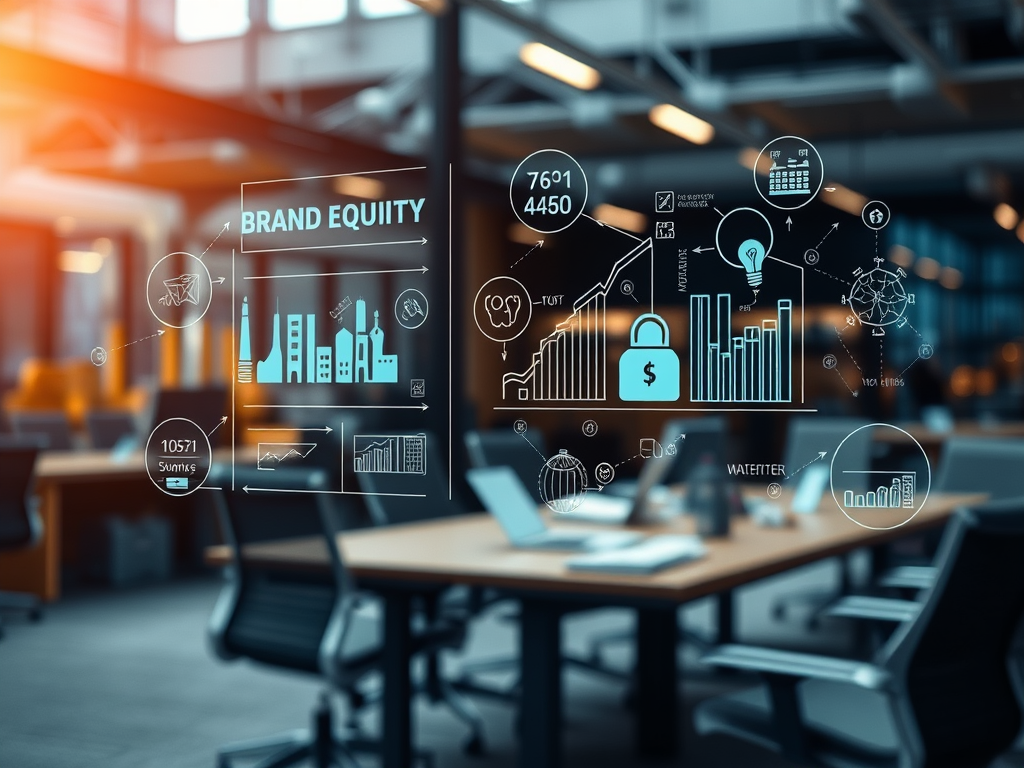
Brand Equity – Customer loyalty, reputation, and market positioning.
-
Intellectual Property (IP) – Patents, trademarks, copyrights, and proprietary technology.
-
Data Assets – Customer datasets, usage patterns, and proprietary analytics.
-
Network Effects – Platforms that become more valuable as more users join (e.g., social networks, marketplaces).
-
Human Capital & Culture – Skills, know-how, and organisational culture that can’t be replicated easily.
Why Traditional Valuation Models Fall Short
-
Book Value Blind Spots
Balance sheets often undervalue or omit intangibles entirely. For instance, brand value usually only appears after an acquisition triggers purchase accounting. -
DCF Challenges
Discounted Cash Flow (DCF) models can capture future earnings potential, but without properly quantifying intangibles, projections may undervalue high-growth, asset-light businesses. -
Comparables Distortion
Market comps can mislead if they don’t adjust for intangible asset strength—two companies with similar revenues may have vastly different competitive moats.
Intangible Assets as Value Drivers
-
Brand Power: Interbrand’s 2024 Best Global Brands report shows that companies like Apple, Microsoft, and Amazon derive billions in enterprise value from brand equity alone.
-
Network Effects: A NFX study found that 70% of value in tech companies comes from network effects, not the underlying tech itself.
-
Proprietary Data: Data-rich companies can create high switching costs, enhance AI models, and generate recurring revenue streams.
-
IP Portfolios: Patent-rich firms can leverage licensing income, block competitors, or attract acquisition premiums.
The Investor’s Playbook for the Intangible Era
-
Due Diligence Beyond the Balance Sheet
Assess customer loyalty metrics, brand strength surveys, IP filings, and data governance policies. -
Quantifying Intangibles
Use valuation frameworks like the Relief from Royalty Method (for IP), Excess Earnings Method (for customer relationships), and Brand Valuation approaches (ISO 10668). -
Scenario Testing
Model upside/downside based on the durability of intangible assets—what happens if a brand suffers reputational damage, or if a platform loses network growth momentum? -
Integrating ESG & Purpose
McKinsey’s research shows companies with strong ESG and purpose-driven brand identities enjoy higher customer trust, often translating into valuation resilience during downturns.
A Case in Point: Microsoft’s LinkedIn Acquisition
When Microsoft acquired LinkedIn in 2016 for $26.2 billion, the tangible assets (servers, office space) were a fraction of the deal’s value. The real drivers?
-
LinkedIn’s network effect moat
-
Rich professional data assets
-
Strong brand equity in a niche professional space
These intangibles provided Microsoft with strategic synergies far beyond the physical footprint of the business.
Final Thought
In the new economy, the most valuable things you own may never sit on your balance sheet. For investors, acquirers, and founders, this means rethinking valuation frameworks to fully capture the power—and risk—of intangible assets.
Ignoring intangibles isn’t just old-fashioned—it’s costly. The winners in the next decade will be those who can not only identify intangible value but also measure, protect, and scale it.